
Highly Recommended Car Key Replacement Services
The Ultimate Guide to Home Security on a Budget: Everything You Need to Succeed
The Ultimate Guide to Home Security on a Budget: Everything You Need to Succeed
Look, we get it. You want to keep your home and family safe, but you don’t want to spend a fortune doing it. The good news? You absolutely don’t have to. With the right approach and some smart choices, you can build a solid home security system that won’t break the bank.
Here at Rocket Locksmith, we see firsthand how much peace of mind good security brings to homeowners. Whether you’re dealing with a lockout or upgrading your locks, security is always top of mind. So let’s dive into everything you need to know about protecting your home without emptying your wallet.
Why Budget Security Actually Works
Here’s something that might surprise you: homes with any visible security system are 70% less likely to be targeted by burglars. That’s right: even a basic system can be incredibly effective just by being there.
The secret sauce isn’t about having the most expensive gear. It’s about being smart with what you choose and making sure you cover the essentials first. Most break-ins happen through obvious entry points like front doors and ground-floor windows, so that’s where you want to focus your efforts and budget.
The Building Blocks of Budget Security
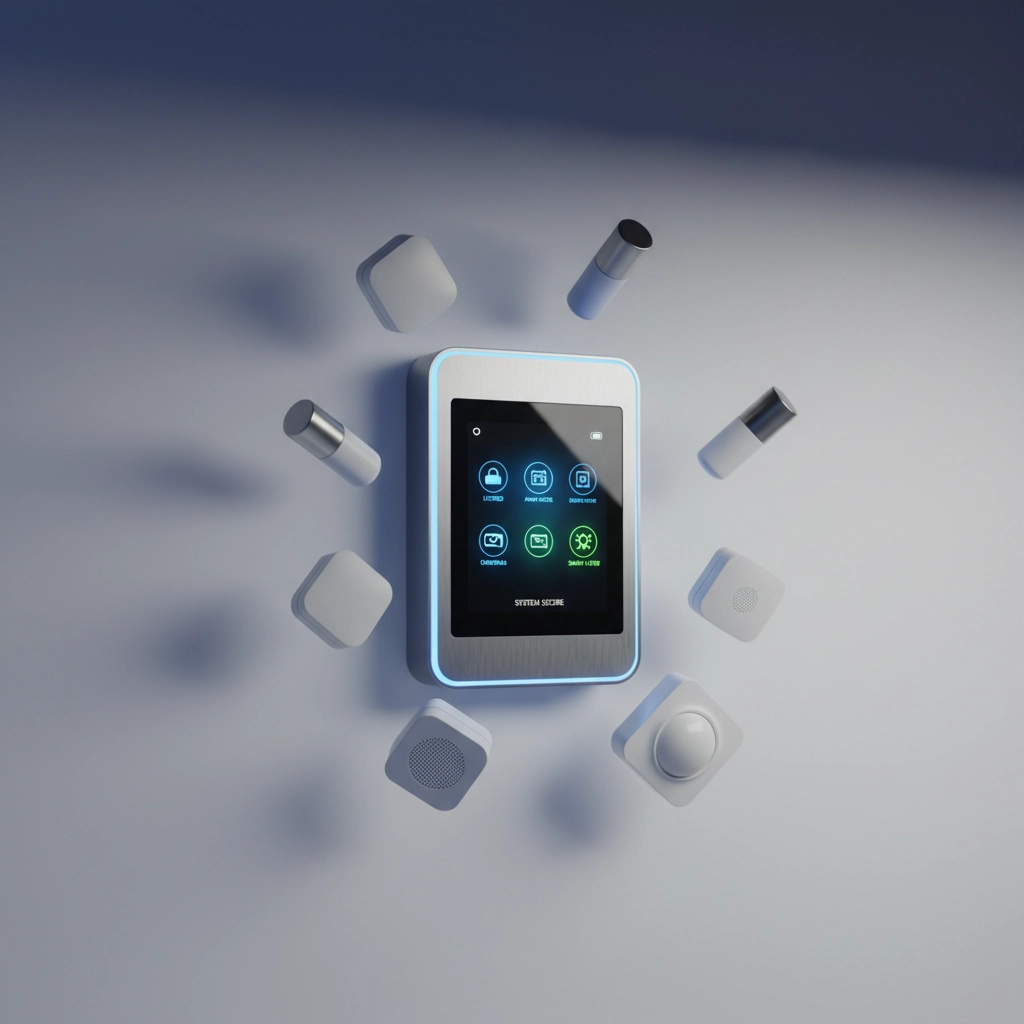
Every good security system needs a few key components working together:
Control Panel: This is your system’s brain. It connects everything and lets you control your security setup from one place.
Door and Window Sensors: These little devices detect when doors or windows open unexpectedly. They’re cheap, effective, and cover your most vulnerable spots.
Motion Sensors: Perfect for covering larger areas or rooms with multiple entry points. Modern ones are smart enough to ignore your pets too.
Cameras: Your eyes when you’re not home. Even basic ones provide great deterrent value.
Alarm: The loud part that scares off intruders and alerts your neighbors.
The beauty of modern systems is that they’re modular. Start with the basics and add more components as your budget allows.
Best Budget-Friendly Systems for 2025
SimpliSafe – The crowd favorite for good reason. Equipment packages start around $250, and they often run sales with up to 60% off. No long-term contracts, optional monitoring, and they design their own equipment (which keeps costs down). You can even self-monitor for free using their app.
Cove – If you want the cheapest ongoing costs, this is your pick. Complete systems run about $200, and professional monitoring starts at just $19.99/month. Individual sensors cost under $10 each, making expansion super affordable.
ADT Self Setup – Same quality equipment as their professional installs, but you do it yourself and save on installation fees. Packages start at $269 with no long-term contracts required.
Frontpoint – Great starter packages beginning at $69, plus excellent customer service. Their monitoring plans cost more, but the equipment prices are hard to beat.
DIY Installation: Easier Than You Think
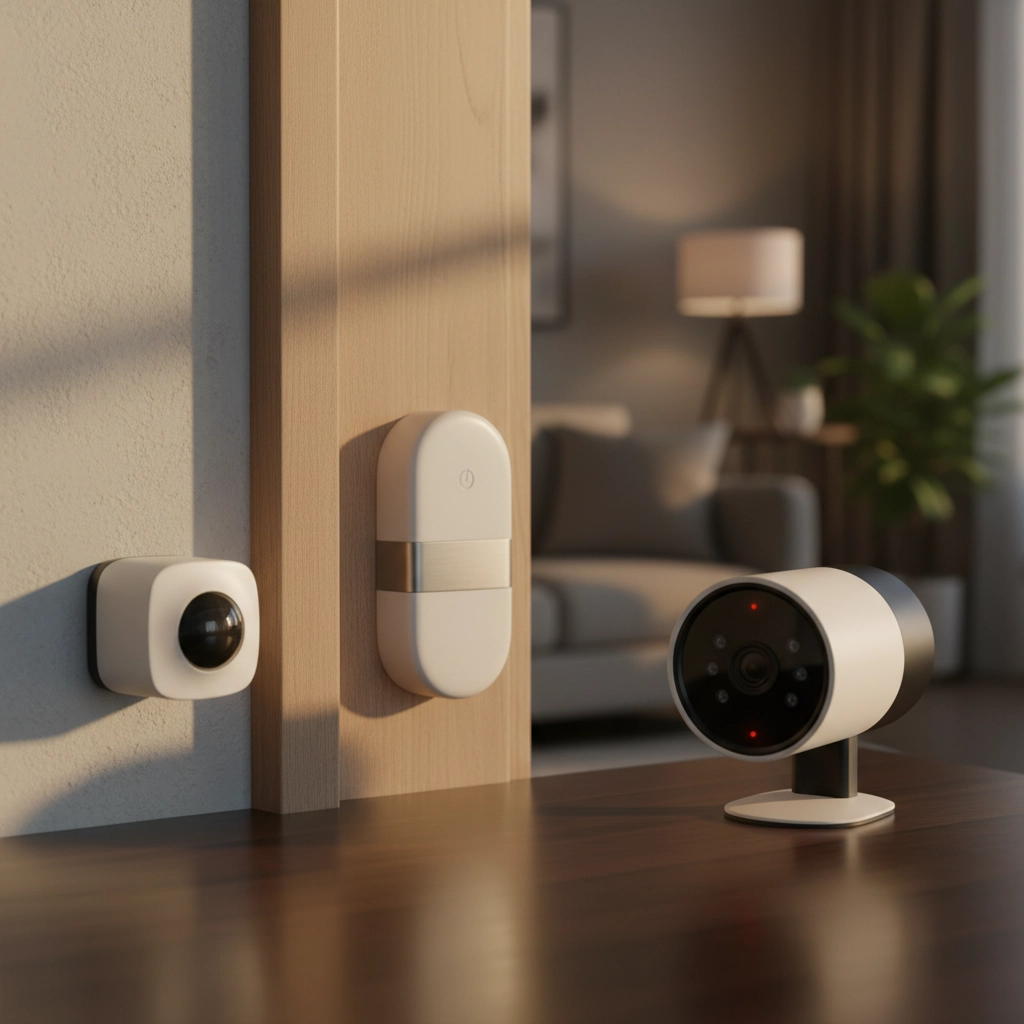
Professional installation can easily add $200-500 to your security system cost. The thing is, most modern systems are designed for DIY installation. We’re talking wireless components that just stick or screw into place: no complex wiring required.
Most companies provide step-by-step guides, video tutorials, and phone support to walk you through setup. If you can hang a picture or change batteries in a smoke detector, you can probably install your own security system.
The only times you might want professional help:
- Large, complex properties
- Older homes with tricky layouts
- If you just prefer hands-off setup
Even then, many companies offer “guided DIY” options where they provide remote assistance during your installation.
Smart Shopping: Getting More for Less
Start with entry points: Focus your initial budget on doors and easily accessible windows. You can always expand coverage later.
Look for no-contract options: Month-to-month monitoring gives you flexibility without locking you into expensive long-term commitments.
Consider self-monitoring: Many systems let you monitor everything through smartphone apps, eliminating monthly fees entirely.
Watch for sales: Security companies frequently offer significant discounts, especially during peak home-buying seasons.
Think modular: Choose systems that let you add components over time rather than requiring everything upfront.

Essential Features That Actually Matter
When you’re budget shopping, it’s easy to get overwhelmed by feature lists. Here’s what actually provides value:
Smartphone app control: Being able to arm, disarm, and monitor your system remotely is incredibly useful and usually comes standard.
Battery backup: Keeps your system running during power outages. Essential for any security system.
Cellular connectivity: Ensures your system can communicate even if your internet goes down.
Night vision cameras: If you’re adding cameras, this feature provides real security value.
Skip the fancy stuff like voice control or advanced automation features until you’ve covered the security basics. They’re nice to have, but not essential for protection.
The Real Numbers: What Budget Security Costs
Here’s a realistic breakdown of what you’re looking at:
Basic starter system: $200-400 (covers main entry points)
Self-monitoring: Free to $10/month
Professional monitoring: $20-40/month
Additional sensors: $10-30 each
Cameras: $50-150 each for decent quality
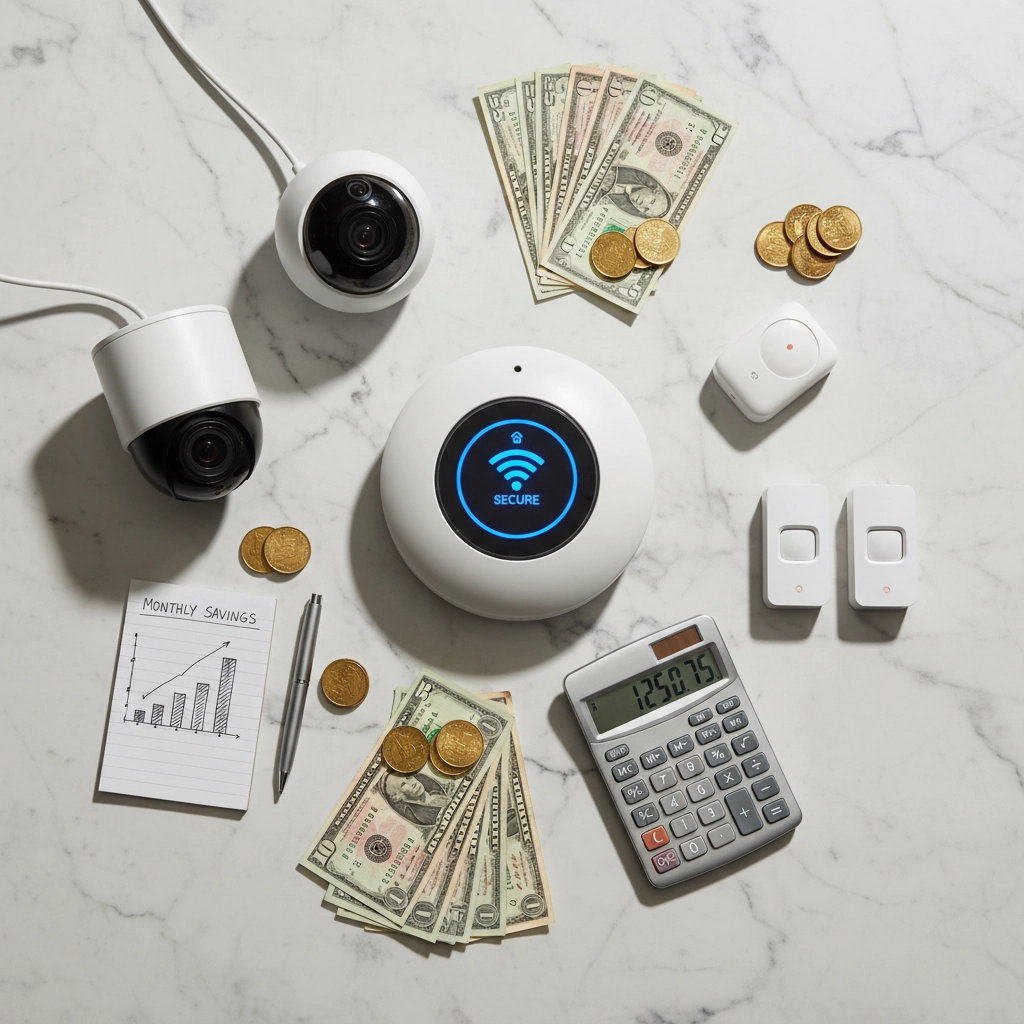
Total first-year cost for a solid budget system: $400-800 including equipment and monitoring. Compare that to the average cost of a break-in (around $3,000 in damages and stolen items), and it’s a pretty good investment.
Making It Work Long-Term
The key to successful budget security is thinking long-term. Start with the essentials and build your system over time. Maybe you begin with door sensors and a basic camera, then add window sensors and motion detectors as budget allows.
Keep an eye on your system’s performance and adjust as needed. Sometimes moving a sensor to a different location provides better coverage than buying additional equipment.
Also, don’t forget about basic security habits that cost nothing: keeping doors locked, not advertising expensive purchases on social media, maintaining good lighting around entry points, and getting to know your neighbors.
When to Call the Pros
While DIY security systems are great, there are times when professional help makes sense. If you’re upgrading locks, installing security doors, or dealing with complex entry points, that’s where locksmith expertise becomes valuable.
At Rocket Locksmith, we work with homeowners to ensure their physical security (locks, doors, safes) integrates well with their electronic security systems. Sometimes the best budget security approach combines DIY electronics with professional lock upgrades.
The Bottom Line
Effective home security doesn’t require a massive budget: it requires smart choices. Focus on covering the basics first, choose systems that grow with you, and don’t get caught up in features you don’t actually need.
Remember, the best security system is one you’ll actually use consistently. A simple, affordable system that you arm every time you leave is infinitely better than an expensive one that’s too complicated to bother with.
Start with one of the budget-friendly systems we’ve mentioned, cover your main entry points, and build from there. Your home, your family, and your wallet will all thank you for the thoughtful approach to security that actually fits your life and budget.